Oil Separator

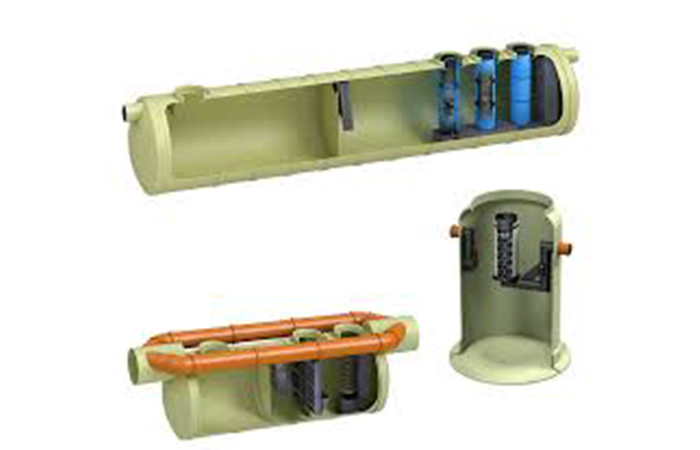
Oil Separators are essential components in modern stormwater and wastewater management systems, designed to remove oil, hydrocarbons, and floating contaminants from surface water before discharge into drainage networks or the environment. Flomax Pump Trading L.L.C supplies engineered oil separator systems that ensure regulatory compliance, environmental protection, and long-term operational reliability.
In environments exposed to vehicle traffic, fuel handling, or industrial activities, oil separators play a critical role in preventing pollution and protecting downstream infrastructure.
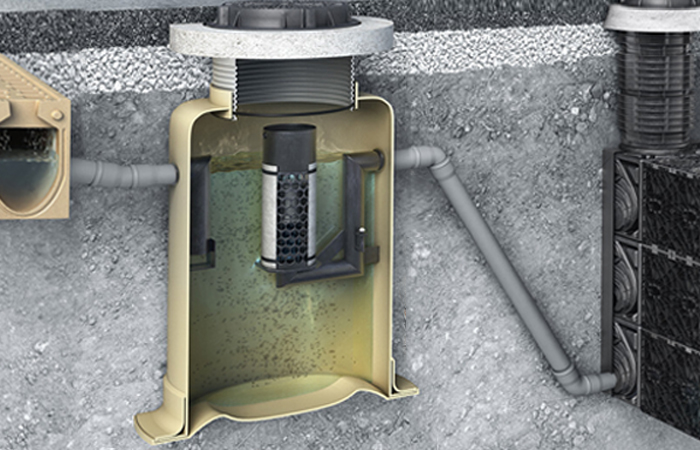
An oil separator is a treatment unit installed within a stormwater drainage system to separate and retain hydrocarbons, oils, and suspended solids from runoff water. These systems prevent contaminants from entering municipal drainage networks, water bodies, and soil.
Flomax oil separators are designed for high separation efficiency, ensuring that treated water meets environmental discharge requirements.
Oil contamination in stormwater can cause serious environmental and infrastructural damage. Oil separators help to:
Effective oil separation is mandatory in many developments to meet authority and environmental protection standards.
Flomax oil separators are suitable for a wide range of applications, including:
These environments are prone to oil contamination due to vehicle movement, fuel handling, and mechanical operations.
Flomax supplies high-efficiency oil separators designed to meet demanding project requirements.
System selection depends on flow rate, contamination risk, discharge requirements, and authority regulations.
Flomax supplies Class I oil separators designed to achieve very low residual oil content in treated water. These systems utilize coalescing technology, allowing fine oil droplets to combine and rise to the surface for separation.
Class I separators are particularly suitable for sensitive environments and projects with strict discharge limits.
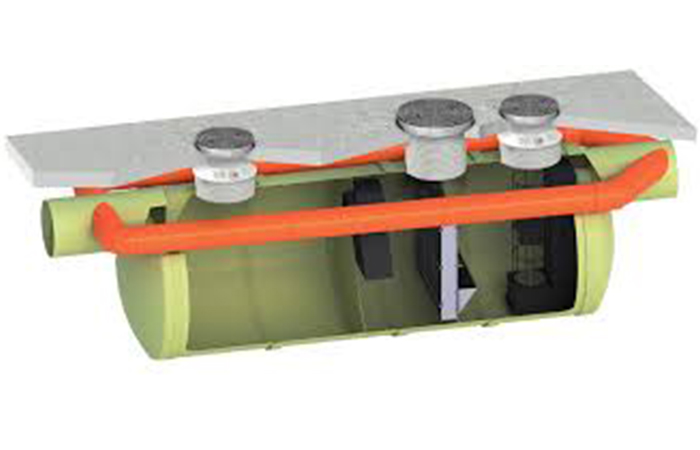
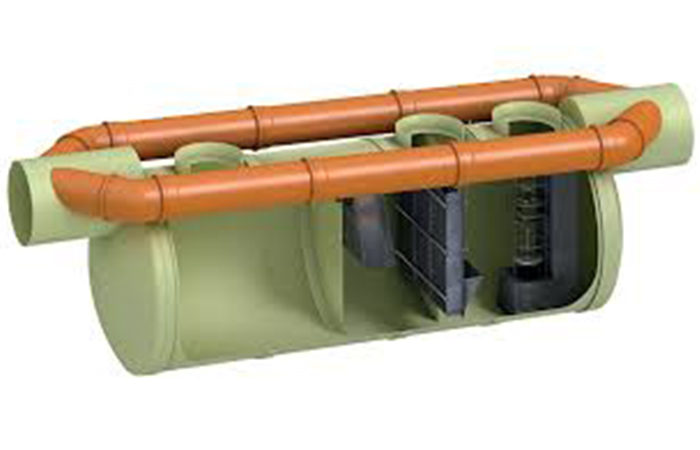
Flomax oil separator systems are engineered as complete treatment units.
Units are typically constructed using durable GRP or polymer-based materials, ensuring corrosion resistance and long service life.
Oil separators supplied by Flomax are designed to handle variable flow conditions common in stormwater systems. Hydraulic design ensures:
Bypass arrangements can be incorporated to manage extreme storm events without compromising separation performance during normal conditions.
Flomax oil separators are selected to comply with international environmental standards and local authority requirements. Proper oil separation reduces environmental impact and supports sustainable development objectives.
These systems help projects achieve environmental approvals while demonstrating responsible stormwater management practices.
Oil separators are typically installed underground and integrated with surface drainage systems such as:
Flomax supports system coordination to ensure seamless integration and optimal performance.
Proper maintenance is essential to ensure ongoing oil separation efficiency. Flomax oil separators are designed with easy access points for inspection, sludge removal, and oil disposal.
Regular maintenance ensures:
Flomax follows an engineering-led approach when specifying oil separators. Key selection factors include:
This approach ensures the selected system performs effectively under real operating conditions.
Oil separators supplied by Flomax are designed to operate safely under continuous exposure to contaminated runoff. Features such as automatic closure devices prevent oil escape during accidental spills or system overload.
This enhances safety while protecting downstream infrastructure and the environment.
Flomax oil separators deliver dependable performance for critical stormwater treatment applications.
Effective oil separation is a cornerstone of responsible stormwater management. Flomax oil separators are engineered to protect infrastructure, water bodies, and the environment while ensuring compliance and operational reliability.
By selecting Flomax oil separator systems, projects benefit from enhanced environmental protection, reduced risk, and long-term performance assurance.